Acne Treatment Options in Niagara
Acne happens when oil, dead skin, and bacteria block a pore and the skin becomes inflamed. If you are weighing acne treatment options in Niagara, start here. This page explains why breakouts happen and when a dermatologist should lead your care. It also shows where light-based treatment fits, starting with a consultation.
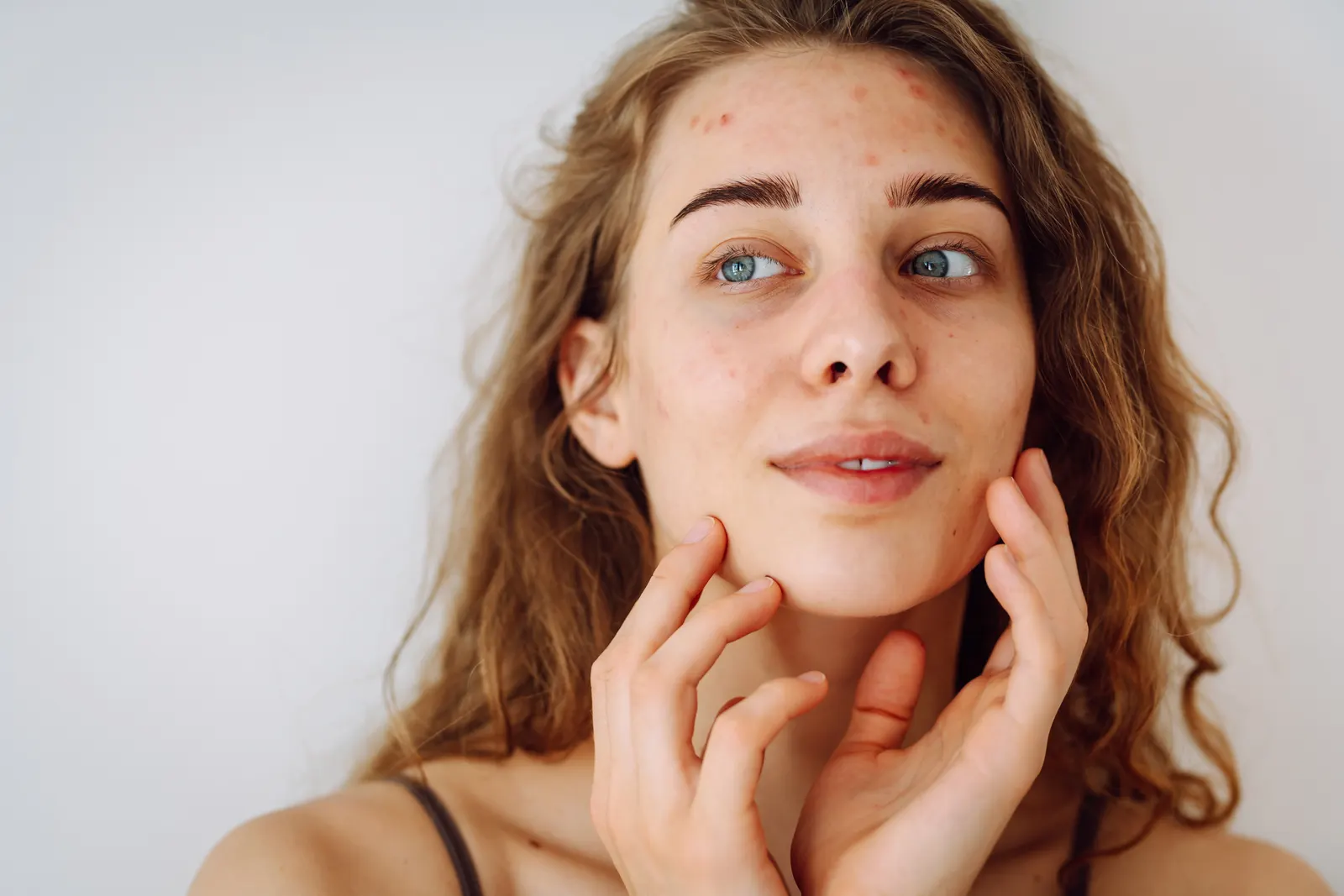
Why Acne Happens: Oil, Bacteria, and Inflammation
Acne starts inside a pore. Every pore holds a small gland that makes oil to protect the skin. When that gland makes too much oil, dead skin cells stick together and plug the opening. The plug becomes a blackhead or a whitehead.
Bacteria arrive next. A common skin bacterium called C. acnes multiplies inside the blocked, oily pore. The immune system reacts, and the spot turns red, swollen, and sore. That reaction is inflammation. It is what turns a small plug into a painful pimple.
This chain of oil, blockage, bacteria, and swelling is well documented. You can read a detailed medical overview of acne from the National Library of Medicine.
Hormones and Everyday Acne Triggers
Hormones sit behind most breakouts. Androgens, the hormones that rise in the teen years, make oil glands bigger and busier. That is why acne so often starts at puberty. Shifts around periods, pregnancy, and stress can stir it up in adults too.
Family history matters as well. If your parents had acne, you are more likely to deal with it. The American Academy of Dermatology explains how clogged pores and hormones drive acne.
Daily habits play a smaller part than most people think. Heavy makeup and oily hair products can clog pores along the hairline and jaw. Picking and squeezing spots makes swelling worse and raises the risk of lasting marks.
When Acne Needs a Dermatologist First
Some acne needs medical care before anything else. We say this plainly because it protects your skin. See a dermatologist if you notice any of these:
- Deep, painful cysts or nodules under the skin
- Breakouts that leave pits, dents, or raised marks behind
- Acne that has not improved after months of steady drugstore care
- Severe acne that appears suddenly in adulthood
Prescription medication can calm severe and cystic acne from the inside. Getting it under control early is the best way to prevent scarring. If that sounds like your skin, start with a doctor. We will still be here in Niagara when you are ready for the next step.
Where Laser Fits Among Acne Treatment Options
Light-based care sits in the middle of the ladder. It does not replace prescriptions for severe acne. It can help mild to moderate breakouts that keep returning. Certain wavelengths target C. acnes and calm overactive oil glands over a series of visits.
We sort this out face to face at a consultation in Niagara. We look at your skin, your history, and what you have already tried. Then we tell you honestly which acne treatment options fit, and whether a dermatologist should come first. You can read how our sessions work on our laser acne treatment page.
Acne Questions We Hear in Niagara
What actually causes acne?
Four things work together: extra oil, dead skin cells that block the pore, C. acnes bacteria, and inflammation. Hormones drive the oil production, which is why breakouts flare in the teen years and around hormone shifts. Genetics load the dice too. Acne is not caused by dirt, and it is not your fault.
Is acne caused by poor hygiene?
No. Acne forms inside the pore, not on top of the skin. Washing more often will not clear it, and hard scrubbing usually makes swelling worse. Wash gently twice a day, choose products labelled non-comedogenic, and keep hands off the spots. That is all the hygiene acne care requires.
When should I see a dermatologist instead of a laser clinic?
See a dermatologist first for cystic acne, deep painful nodules, or breakouts that are starting to scar. Prescription care controls that kind of acne far better than light can. Once the severe inflammation settles, light-based sessions in Niagara can help manage the milder breakouts that remain.
Can laser or light help active acne?
It can help mild to moderate acne, especially breakouts that return after every flare settles. Specific wavelengths reduce C. acnes bacteria and calm oil glands over a planned series. It sits alongside other acne treatment options rather than replacing them. It is not the right tool for severe cystic acne. We explain the fit honestly at your Niagara consult.
Does food cause acne?
The evidence is mixed. Some studies link high sugar diets and some dairy products with more breakouts in some people. No single food causes acne on its own. If you notice a clear pattern after certain foods, mention it at your consultation and to your doctor.
Will my acne leave scars?
Not always. Scarring risk rises with deep cystic spots, long untreated flares, and picking or squeezing. Treating acne early is the best protection you have. If marks have already formed, improvement is still possible. Our acne scars page explains which marks fade on their own and which need treatment.
Breakouts often leave two problems behind: the acne itself and the marks. Learn how the marks form on our acne scars page. Oily, congested skin may also suit a carbon laser peel. You can browse everything else we treat in Niagara on our conditions page.