Fractional CO2 Laser in Niagara
The fractional CO2 laser in Niagara, Ontario, is our deepest resurfacing treatment. It vaporizes tiny columns of damaged skin so new collagen rebuilds deep wrinkles, acne scars, and rough texture. One session can change more than a year of gentle treatments. It starts with a consultation.
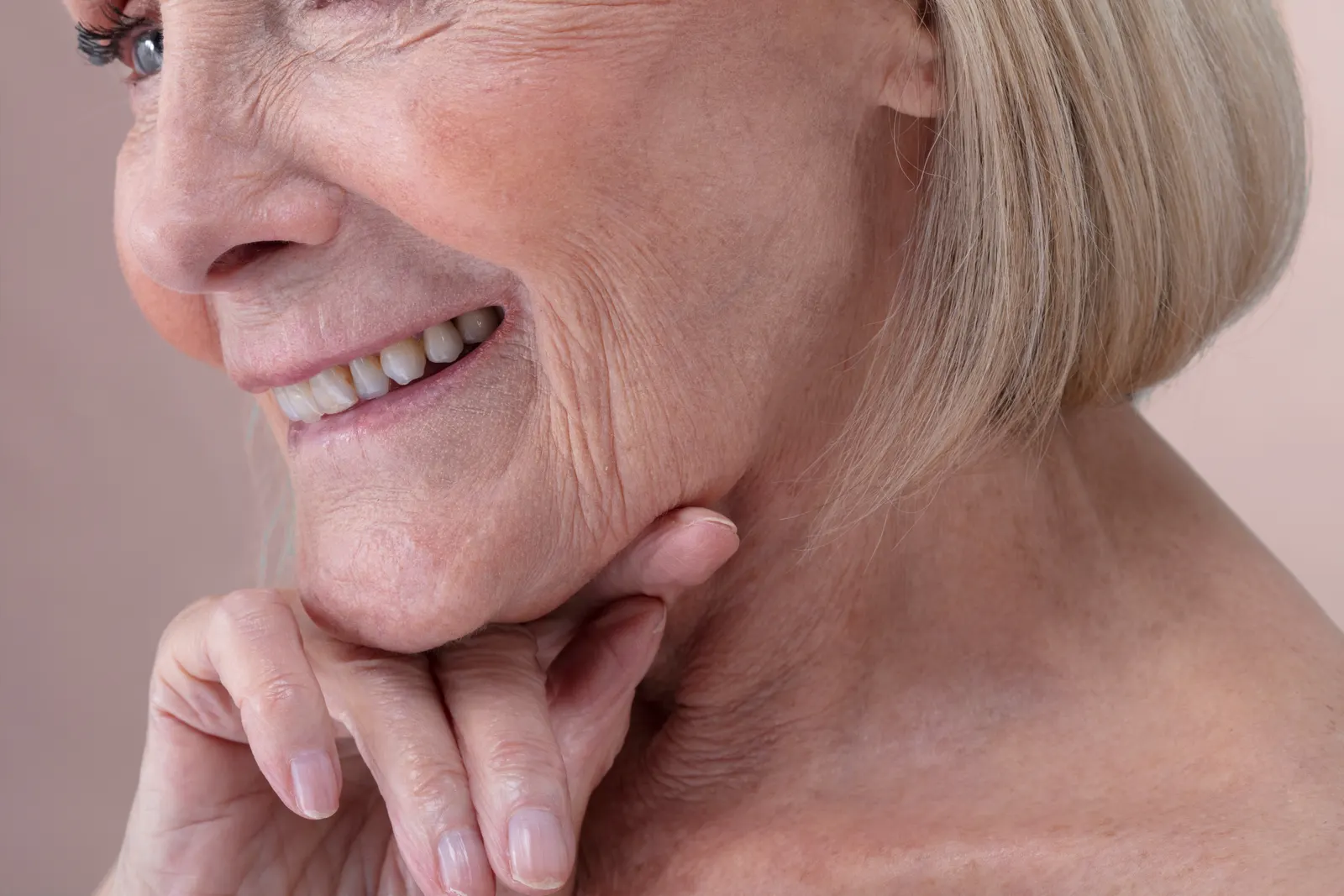
How the Fractional CO2 Laser Works
The CO2 laser produces a 10,600 nm beam that water absorbs strongly. Skin is mostly water, so each pulse vaporizes a precise amount of tissue. Heat left behind tightens collagen and signals the skin to rebuild.
The fractional part matters. Instead of treating the whole surface, the beam splits into thousands of microscopic columns. Each column removes a pinpoint of old skin down into the dermis. The untouched skin between columns heals the area quickly and lowers risk.
The result is remodelling, not just polishing. Old, disorganized collagen gets replaced with fresh, ordered collagen over the following months. That is why the fractional CO2 laser handles problems that gentler treatments cannot reach.
What a Fractional CO2 Laser Treats Best
Etched wrinkles
Lines around the mouth and eyes that stay visible even when your face is relaxed.
Deep acne scars
Pitted, rolling, and boxcar scarring that creams and light lasers barely touch.
Texture remodelling
Sun-weathered, uneven, or crepey skin that needs a real reset, not a glow.
People in Niagara usually arrive at this page after gentler options fell short. That is the right instinct. The fractional CO2 laser in Niagara is our tool for significant correction. If your concern is mild texture or dullness, a lighter treatment likely serves you better and costs you less downtime.
Recovery After Fractional CO2 Treatment
We will not soften this part. Ablative resurfacing has real downtime, and you should plan for it. Your skin will look and feel sunburned. It will weep, then crust, then flake. You will follow a strict ointment and cleansing routine at home.
Published guidance on ablative laser resurfacing recovery puts return to normal activity at 5 to 10 days. Redness fades over the weeks after that. Makeup can usually cover it once the surface has closed.
Sun protection is non-negotiable. Healing skin pigments easily, so we time deeper sessions for the darker months here in Niagara whenever we can. Daily sunscreen continues long after the peeling ends.
CO2 Resurfacing and Darker Skin Tones
This deserves its own section. Ablative lasers carry a higher risk of dark or light patches in melanin-rich skin. The clinical literature notes that non-fractional CO2 treatment is not recommended for Fitzpatrick type IV or higher. Fractional settings lower that risk but do not remove it.
For Fitzpatrick types V and VI, our usual first choice is the non-ablative fractional laser. It builds collagen with far less pigment risk. Ablative CO2 work for deeper skin tones is a case-by-case consult decision, with conservative settings and honest odds.
The right wavelength is chosen for your skin at your consult. No chart replaces looking at your skin in person.
Sessions, Results, and What to Expect
- Numbing
- Topical numbing cream for about 45 minutes before treatment.
- Treatment time
- Roughly 30 to 60 minutes for a full face.
- Sessions
- Often one. Deep acne scarring may need two or three, spaced two to three months apart.
- Downtime
- 5 to 10 days of healing, then fading pinkness for a few weeks.
- Results
- Visible once healed, then improving for three to six months as collagen builds.
One review studied pairing CO2 with 1540 and 1570 nm non-ablative passes. It found the combination can extend collagen remodelling without deeper ablation. If that hybrid approach suits your skin, we will raise it at your consultation.
Fractional CO2 Laser Questions, Answered
How much does a fractional CO2 session hurt?
With numbing cream, most people find it easy to tolerate. The sensation is intense heat and prickling that builds as passes continue. Air cooling helps during treatment. The first evening feels like a strong sunburn. Simple pain relief and cool air at home manage it for most people.
How long until I can go back to work?
Most people take 5 to 10 days away from public-facing work. Skin closes over in about a week, and makeup can usually cover the remaining pinkness after that. Video calls are workable sooner. We map your recovery timeline against your calendar before you book the session.
Is one CO2 treatment really enough?
Often, yes, for wrinkles and general texture. One fractional CO2 session produces more change than a full series of gentle treatments. Deep acne scarring is the exception. Pitted scars usually need two or three sessions, spaced a few months apart, and even then improve rather than vanish.
Will CO2 resurfacing work on my acne scars?
It is the strongest single tool we have for rolling and boxcar scars. Icepick scars reach deeper than any laser safely goes, so they improve less. Expect meaningful softening, not erasure. Read our acne scars guide to learn which type you have.
I have darker skin. Can I still do this?
Sometimes, carefully. Fitzpatrick types V and VI carry a real risk of pigment change after ablative treatment. We usually start with non-ablative fractional sessions instead. If your scarring truly needs CO2, we discuss conservative settings and honest risks at your consult first.
When should I book a CO2 treatment?
Fall and winter are the smart seasons in Niagara. Healing skin must avoid strong sun, and short days make that easy. Book your consultation a month ahead so preparation, treatment, and recovery all land where your calendar can absorb them.
Not sure this depth is right for you? Compare every option on our laser skin resurfacing guide for Niagara. If lines are your main concern, start with fine lines and wrinkles to understand what you are treating.