Melasma Treatment in Niagara: Causes and Laser Options
Melasma is patchy brown facial pigment driven by hormones, most often during pregnancy or on birth control. It is stubborn, and it loves to come back. Melasma treatment in Niagara works best when it is gentle: conservative laser settings, strict sun protection, and honest expectations from day one.
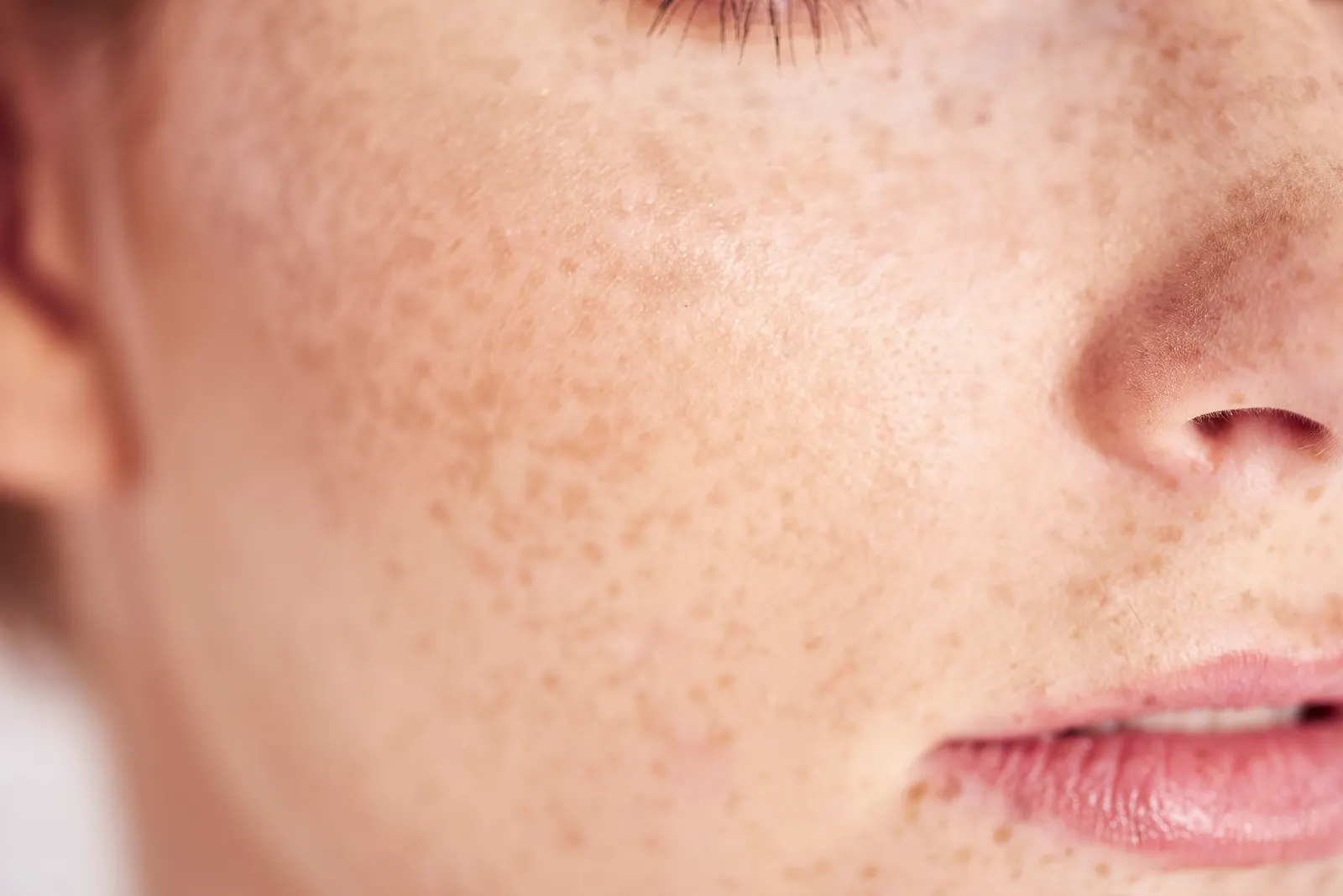
What melasma is
Melasma shows up as soft-edged brown or grey-brown patches, almost always on the face. The cheeks, forehead, upper lip, and jawline are the usual places. The patches tend to mirror each other on both sides. It is far more common in women, and it often starts between the twenties and forties.
It looks different from sun spots. Age spots are small, defined dots. Melasma spreads in larger, blotchy patches, and the pigment often sits at more than one depth in the skin. That depth is part of why it is hard to treat.
Melasma is harmless to your health. But we know from people we meet in Niagara that it wears on confidence. It sits right where everyone looks.
Hormones are the engine behind melasma
Melasma is strongly hormonal. This medical overview of melasma notes it often starts or worsens with pregnancy, birth control pills, or hormone therapy. That is why it is nicknamed the mask of pregnancy.
Hormones load the gun, and light pulls the trigger. UV rays, visible light, and even heat can push sensitized pigment cells into overproduction. Genetics matter too, and melasma runs in families. It is also more common in medium and deeper skin tones, where pigment cells are naturally more reactive.
None of this is something you caused. It is a pigment system that has become oversensitive, and it needs to be handled with care.
Why melasma is notorious for coming back
Melasma is a chronic, relapsing condition. Even after patches fade, the pigment cells underneath stay primed. One sunny long weekend, a hot day over the falls, or a new hormonal shift can switch them back on. This is not a treatment failing. It is simply how melasma behaves.
That reality shapes everything we do. There is no one-time fix that erases melasma for good. Anyone promising one is not being straight with you. The realistic goal is meaningful lightening, then maintenance: daily sun protection, sensible habits, and occasional touch-up care.
People who accept that framing early tend to be the happiest with their results. People chasing a single miracle session usually end up disappointed, or worse, burned by overly aggressive treatment.
Why gentle melasma treatment beats aggressive lasers
Here is the trap: hit melasma hard, and it often comes back darker. Aggressive heat inflames the skin, and inflamed pigment cells respond by making more pigment. Strong resurfacing and high-energy settings can trade a brown patch for a worse one.
So melasma treatment in Niagara should be conservative on purpose. We favour low-energy laser settings, gentle passes, and spaced sessions that lighten pigment gradually without provoking it. Our laser pigmentation removal page explains how these sessions work.
Sun protection is the other half of the treatment, not an afterthought. That means a broad-spectrum sunscreen every single day, ideally tinted. Iron oxide tints help block the visible light that feeds melasma. A doctor or dermatologist can also add prescription creams that pair well with laser care. Managed this way, most people see patches fade noticeably and stay controlled.
Melasma questions we hear in Niagara
Will my melasma fade after pregnancy?
Sometimes, yes. Pregnancy melasma can fade over the months after delivery as hormones settle. Often it lightens but does not fully clear, and some patches simply stay. If yours lingers past a year, it is reasonable to look at treatment. Strict sun protection in the meantime keeps it from deepening.
Can laser treatment make melasma worse?
Yes, if it is done aggressively. High energy inflames pigment cells, and inflamed melasma often rebounds darker. That is exactly why we use conservative settings, gentle passes, and longer gaps between sessions. Done carefully, laser treatment lightens melasma gradually while keeping the rebound risk low.
How many sessions does melasma need?
Plan on a gradual series, often 4 to 6 gentle sessions spaced about a month apart, then maintenance as needed. Melasma treatment in Niagara rewards patience and punishes speed. We reassess at each visit and adjust rather than pushing harder. Your consultation sets a realistic timeline for your skin.
Do I really need sunscreen every day, even in winter?
Yes. UV comes through clouds and car windows year-round, and visible light also feeds melasma. A daily broad-spectrum sunscreen, ideally tinted with iron oxides, is the simplest and most powerful part of your plan. Skipping it can undo months of careful treatment in one bright week.
Should I stop my birth control because of melasma?
That is a conversation for you and your doctor, not for us. Hormonal birth control can drive melasma in some women, but it may be important for your health and your plans. Tell your doctor about the pigment changes and weigh the options together. We will work with whatever you decide.
Do men get melasma?
Yes, though far less often. Roughly one in ten people with melasma is a man. For men, sun exposure and family history matter more than hormones. The treatment logic is the same: gentle settings, daily sun protection, and honest expectations about maintenance.
Where to go from here
If you think your patches are melasma, book a consultation and we will look together. To understand the gentle approach we use, read about laser pigmentation removal. Not sure whether you have melasma or ordinary sun spots? Compare with our sun damage page, or browse all the conditions we treat in Niagara.