Scar Treatment in Niagara: Understanding Your Scar
A scar is the skin's repair work after surgery, a cut, or a burn. Scars keep changing for a year or more, and treatment can guide that change. This page explains how scars form, what colour tells you, and what scar treatment in Niagara can honestly improve.
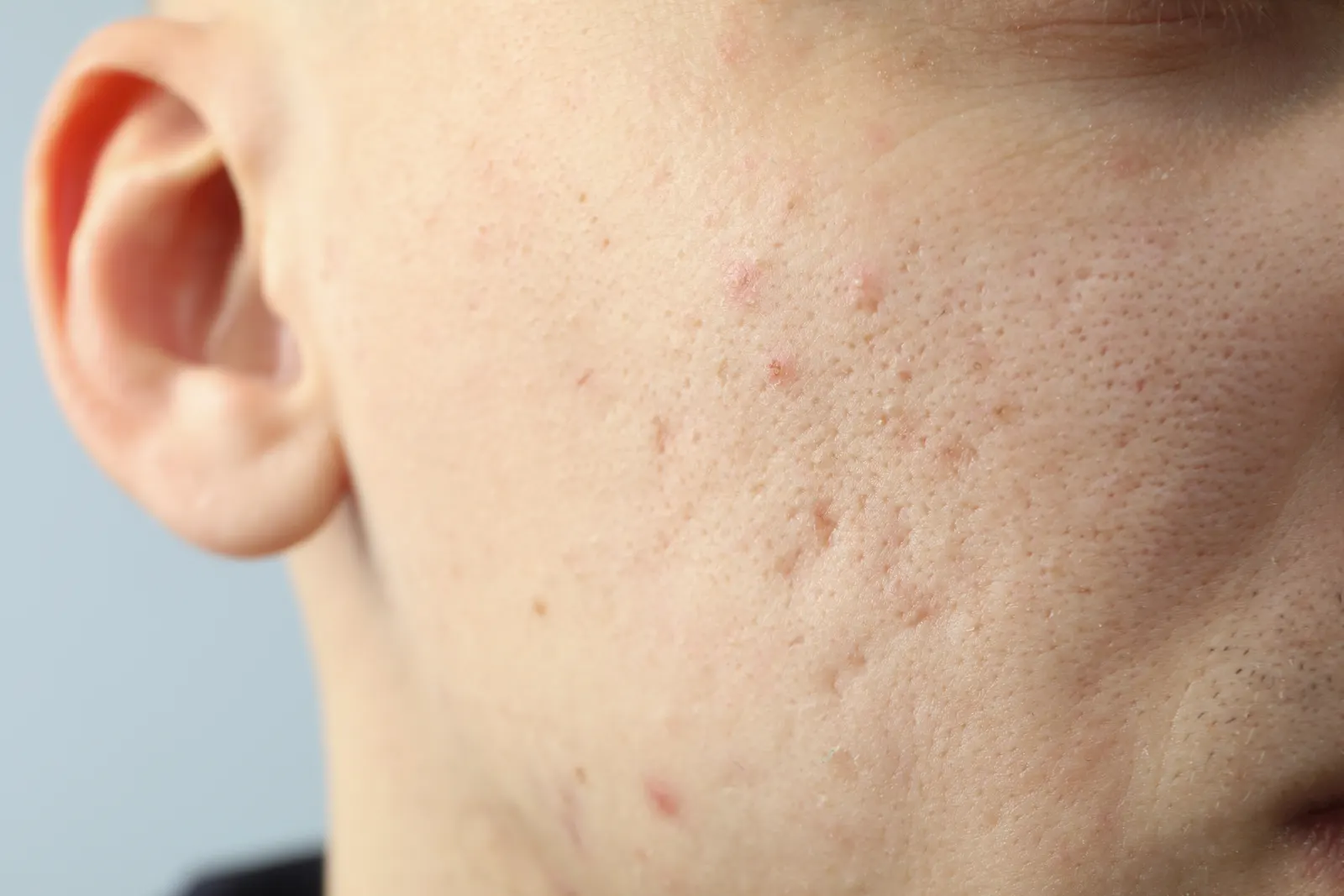
How Surgical and Injury Scars Form
When skin is cut deeper than the surface layer, the body seals the wound fast. Speed matters more than beauty at that stage. The repair collagen is laid down quickly, in dense parallel bundles instead of the neat weave of normal skin.
That is why a scar looks and feels different. Scar tissue has no hair follicles or oil glands. It can sit raised, flat, or sunken. Its final look depends on the wound, your genetics, your age, and how healing was managed.
Healing does not stop when the wound closes. The scar keeps remodelling underneath for twelve to eighteen months. During that window it is still mouldable, which is exactly why timing matters.
Red Scars vs White Scars: What the Colour Means
A red or pink scar is a young scar. The colour comes from extra blood vessels feeding the repair. Red scars are still active, still remodelling, and usually still improving on their own.
A white or pale scar is a mature scar. The extra vessels have closed down and the tissue has settled. White scars also lack pigment, which is why they stand out against tanned skin. They change much more slowly from this point on.
One caution before anything else. A scar that grows thick, itchy, and beyond the original wound edges may be a keloid. Keloids need medical guidance before any laser work, and we will tell you if we see one.
Why Timing Matters for Scar Treatment
The remodelling window is the opportunity. We see scars at every stage here in Niagara. Starting scar treatment while a scar is still red lets laser energy calm the blood supply and guide new collagen. That often means a flatter, paler, softer result.
Waiting is not a disaster. Mature scars improve too, but progress is slower and usually needs more sessions. If your scar is from recent surgery, we wait until the wound has fully closed and your surgeon agrees. From there, earlier is generally better.
What Laser Improves, and What It Cannot Erase
Laser scar treatment works on three things. Colour: settings that target blood vessels fade redness. Texture: fractional treatments smooth rough, tight, or shiny surfaces. Flatness: raised scars can soften and settle over a series. A medical review of ablative laser resurfacing from the National Library of Medicine covers these lasers. It includes their use on surgical and traumatic scars.
What no laser does is erase. A scar is replacement tissue, and some trace of it remains for life. Our aim is a scar that is flatter, paler, and easier to ignore. For most people in Niagara, that change is worth having.
You can read how we plan this work on our scar revision page. It belongs to the wider skin resurfacing family of treatments.
Scar Treatment Questions We Hear in Niagara
How long does a scar take to mature?
Most scars remodel for twelve to eighteen months after the wound closes. They often look their worst around two to three months, then slowly settle. Do not judge the final result too early. If the scar is still red, it is still changing, and treatment can still shape it.
Should I treat a new scar or wait?
For laser care, earlier is usually better, once the wound has fully closed. Treating during the red, active stage guides how the scar matures. For surgical scars, we ask you to confirm timing with your surgeon first. At a consultation in Niagara we will tell you if it is too soon.
Can old white scars still improve?
Yes, within limits. Mature scars respond more slowly, and colour change is more modest because the tissue lacks pigment. Texture and flatness can still improve over a series. We will look at your scar honestly and describe a realistic outcome before you commit to anything.
What is the difference between a hypertrophic scar and a keloid?
Both are raised. A hypertrophic scar stays inside the original wound lines and often settles over time. A keloid grows beyond the wound and keeps growing. Keloids need a medical plan first, because the wrong treatment can make them worse. We flag anything that looks like a keloid.
Does laser scar treatment hurt?
Most people find it easy to tolerate. Sessions feel like quick snaps of heat, and numbing cream is an option for sensitive areas. Treated skin can look pink for a few days depending on the settings used. We explain the recovery for your specific plan at your Niagara consult.
Will my scar disappear completely?
No, and we will not promise that. Some trace of a scar always remains. What treatment changes is how much it stands out: less red, less raised, less rough. Many scars become hard to spot in normal light, and for most people that is the real goal.
Scars from acne behave differently: read about acne scars. Stretch marks are scars too, in their own way: see our stretch marks page, or browse all conditions we treat.