Morpheus8 in Niagara, Explained
Morpheus8 is a brand of radiofrequency microneedling device, not a treatment category of its own. People across Niagara search for it by name, so this page explains what it is, what the technology behind it can do, and the questions worth asking before you book anywhere.
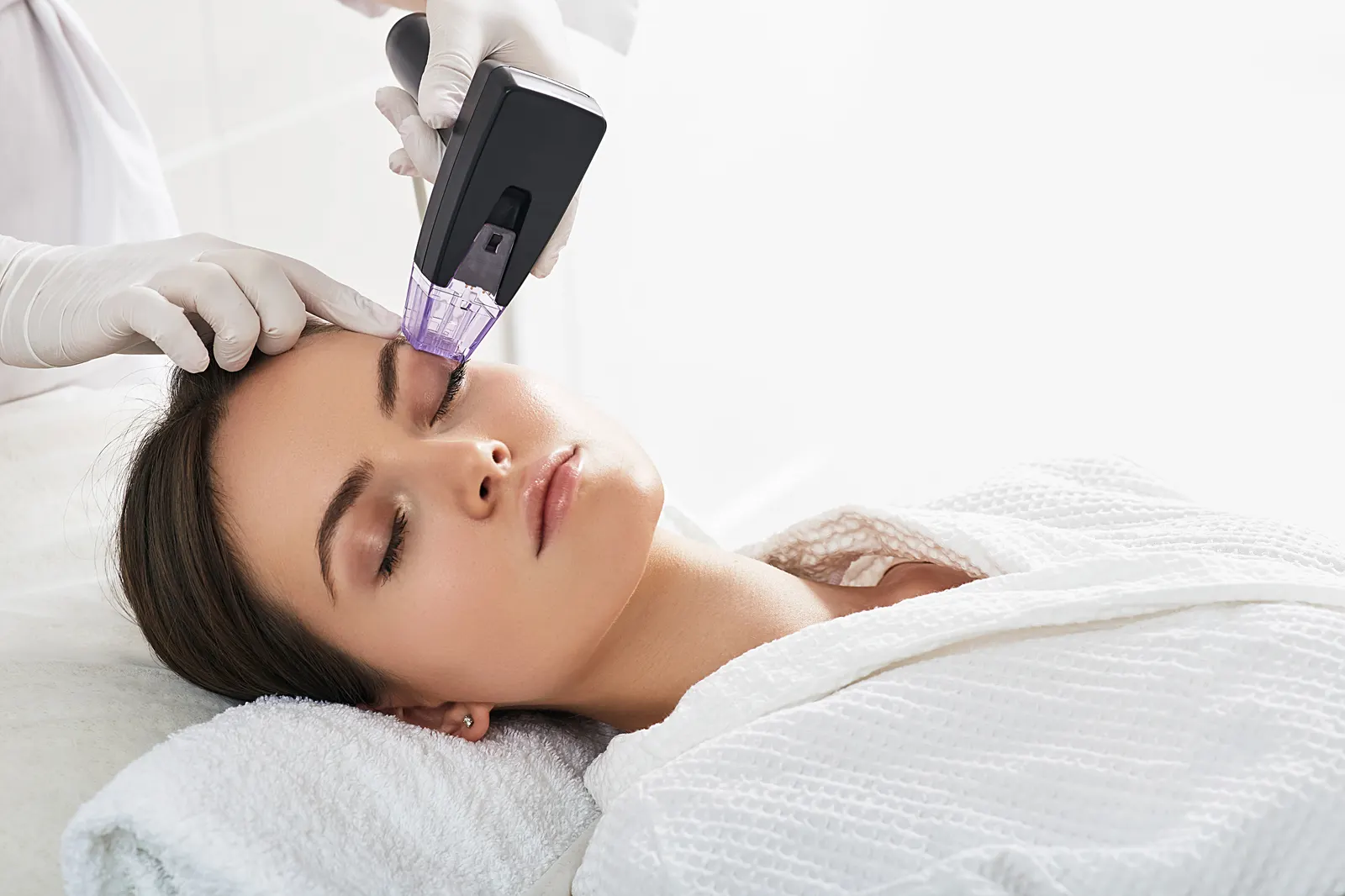
What Morpheus8 Actually Is
Morpheus8 is the trade name of a radiofrequency microneedling device built by the manufacturer InMode. It is a tool, not a technique.
The technique is the same one described on our RF microneedling page. Fine needles enter the skin to a set depth. Radiofrequency energy heats the tissue around each tip. The skin repairs itself with new collagen over the months that follow.
Morpheus8 became the name people recognise because it was marketed heavily and used publicly by well known people. That built the search demand. It did not make the underlying technology exclusive.
Several manufacturers make radiofrequency microneedling devices. They differ in real ways: needle count, whether the needles are insulated, how deep they reach, and how finely the heat is controlled. Those differences matter. The badge on the handpiece is not what decides your outcome.
Why We Describe Technology Instead of Brands
Walk through most clinic websites in the Niagara region and you will read a list of trademarks. It looks impressive. It tells you very little.
A brand name does not tell you the depth your provider selected. It does not tell you the energy level, or whether either was right for your skin. Those are the decisions that produce a good result or an injury. So that is what we write about.
There is a practical reason too. Device brands change. Clinics upgrade, manufacturers rebrand, and a page built around one trademark goes stale the day the equipment does. Everything on this site is written around the technology, so it stays true.
When we name a specific device on this site, it will be because it is the one in the room. Until then we will tell you how the technology works and let you ask the sharper questions below.
Morpheus8 is a trademark of InMode Ltd. This page is informational. Laser Treatment Niagara is not affiliated with, endorsed by, or a distributor for InMode.
What the Technology Is Good At
Radiofrequency microneedling has the strongest support for two jobs. It softens depressed acne scars, and it firms mild laxity along the jaw and neck.
The American Academy of Dermatology describes a typical scar plan as 3 to 5 treatments, spaced two to four weeks apart. It puts improvement in the range of 50 to 70 percent. Read that number carefully. It means clearly better, not gone.
A laser targets pigment or blood. Radiofrequency heats tissue by electrical resistance instead, so it does not target a specific chromophore. Researchers link that to fewer pigment complications in darker skin types. It is the main reason this technology gets recommended where some lasers do not.
What it is not: a facelift, a fat removal treatment, or a fix for heavy sagging. Anyone selling it that way in Niagara is overselling, whatever the device on the tray is called.
Five Questions Worth Asking Any Clinic
These work anywhere, on any device, including here. A clinic that answers them easily is a clinic paying attention.
- What depth are you using on my face, and why? The answer should change by area. Cheeks, jawline, and the skin under the eyes are not the same.
- Are the needles insulated? Insulation concentrates the heat at the tip and spares the surface. It changes how the treatment feels and how the skin recovers.
- Who operates the device, and what is their training on it? Depth and energy are judgment calls made in real time.
- How many sessions do you expect for my scars? A specific number beats a vague package.
- What happens if I react badly? Ask who you call and how fast you are seen.
The FDA has issued a safety communication about radiofrequency microneedling after reports of burns, scarring, fat loss, disfigurement, and nerve damage. Serious events are rare. They are also why those five questions are fair to ask. A good clinic will not mind them.
Morpheus8 Questions, Answered
Is Morpheus8 a laser?
No. It is radiofrequency microneedling. Lasers deliver light that a target in the skin absorbs. Radiofrequency delivers electrical energy that becomes heat in the tissue. The two produce collagen by different routes, and they suit different skin and different goals. We keep the difference clear on every page here.
Do I need Morpheus8 specifically, or will other devices do?
The technology matters more than the trademark. Several manufacturers make capable radiofrequency microneedling devices, and they differ in needle design and depth control. Ask about depth, insulation, and who is operating it. Those answers predict your result far better than the brand name printed on the machine.
How does it compare to fractional CO2 laser?
Ablative lasers remove the top layer of skin. That does more for fine lines and surface texture, but it asks for more recovery. Radiofrequency microneedling reaches deeper with less surface injury, which suits scars and early laxity. Our fractional CO2 page covers the other side of that comparison.
What does recovery look like?
Strong redness on the first day, easing over two to four days. The skin feels like fine sandpaper while it settles, and faint grid marks can show briefly. Most people return to work the next day. Plan two weeks of margin before an event, not two days.
How long do the results last?
The collagen you build is real tissue, so scar improvement tends to hold. Firming is different, because aging carries on around it. Many people book a maintenance session once a year. Sun protection does more to preserve the result than any product sold at a front desk.
Is it suitable for deeper skin tones?
Radiofrequency does not target pigment, which is why it is often considered where light-based treatment carries more risk. That is a reason to discuss it, not a blanket clearance. Your skin type, your scarring history, and the settings all get assessed first. Read more on how we match treatment to skin.
The full picture on the technique, sessions, and recovery sits on our RF microneedling page for Niagara. If firming is your goal, compare it with laser skin tightening. If scars brought you here, start with our guide to acne scars.