IPL Photofacial in Niagara
An IPL photofacial in Niagara uses pulses of bright, filtered light to even out skin tone. It targets brown spots and diffuse redness in the same visit. Most people book a short series of sessions. Your plan starts with a consultation, where we map your skin and set expectations.
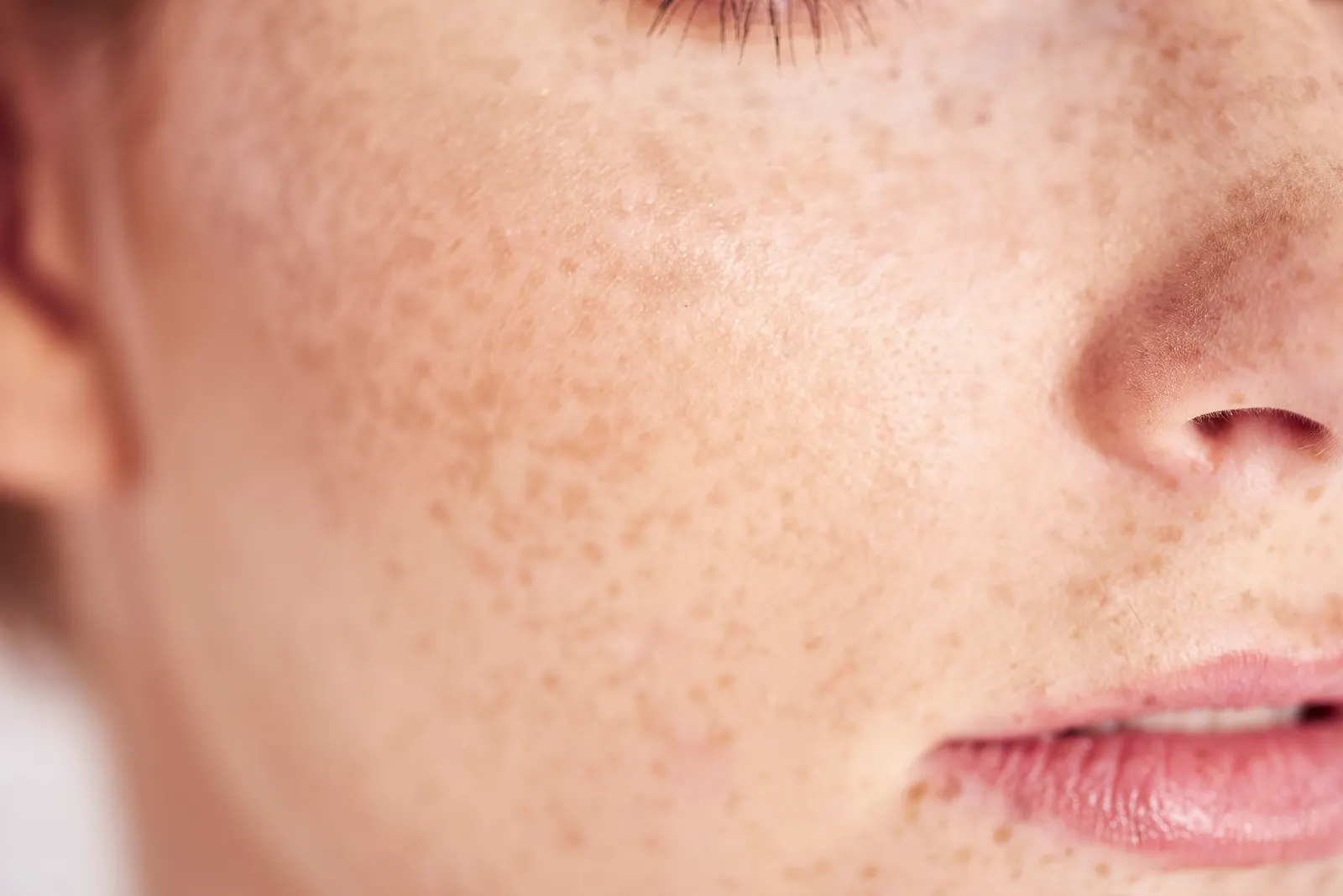
What an IPL Photofacial Is and How It Works
IPL stands for intense pulsed light. Here is the honest part first: IPL is not technically a laser. A true laser sends one single wavelength of light. IPL is a broadband light source. It releases a wide band of wavelengths in each pulse, roughly 500 to 1200 nm.
That wide band is the point. Different targets in your skin absorb different slices of the light. Brown pigment soaks up some wavelengths. The small blood vessels behind facial redness soak up others. One session can reach both at once.
Inside those targets, light becomes controlled heat. Treated spots darken, then flake away over a week or so. Flushed vessels shrink, so background redness fades. For deeper reading, see this clinical overview of intense pulsed light therapy. Our Niagara clinic uses IPL for tone, redness, and glow in one plan.
What IPL Treats: Brown Spots and Redness Together
We reach for IPL when the concern is overall tone, not one lone spot. Sun damage and redness usually arrive together. Summers in Niagara are bright, and years of sun add up. IPL treats the whole picture in one plan.
Sun damage and spots
Sun spots, freckles, and patchy pigment across the face, neck, chest, or hands.
Redness and rosacea
Diffuse flushing and background facial redness, including redness linked to rosacea.
Uneven, tired tone
Blotchy, dull skin that never looks quite even. IPL brightens the whole canvas.
Have one dark, stubborn mark instead? Targeted laser pigmentation removal may suit you better. Have one visible vessel you can point to? Laser vein removal treats single vessels, including small leg veins.
What to Expect at Your Niagara IPL Session
- Consult first
- We review your skin, health history, and goals. The right settings are chosen for your skin at your consult.
- The feel
- Quick, warm snaps, a bit like a small elastic band. Most people find it easy to tolerate.
- Time
- About 30 minutes for a full face. Add a little more for neck or chest.
- Downtime
- None for most people. Skin may look pink for a few hours.
- After
- Treated spots look darker for several days, then flake off. Daily sunscreen matters.
IPL Photofacial Sessions and Realistic Results
Most IPL photofacial Niagara plans run three to five sessions. Visits are spaced about four weeks apart. Change is gradual. Spots often lift first, within one or two sessions. Background redness fades more slowly across the series.
Results also depend on your sun habits. New sun exposure can bring pigment back, so sunscreen protects your progress. Many people book one or two upkeep visits each year to hold their results.
IPL is not the right tool for every skin tone or every tan. Deeper tones and fresh tans change how the light behaves. We match the light, or a different treatment, to your skin at your consult.
IPL Photofacial Questions, Answered
Is an IPL photofacial actually a laser?
No. IPL is intense pulsed light, a broadband light source, not a laser. It releases many wavelengths in each pulse, roughly 500 to 1200 nm. A laser uses one single wavelength. The broad band lets IPL treat brown spots and redness in the same session. That mix is its main strength.
Does an IPL photofacial hurt?
Most people find it easy to tolerate. Each pulse feels like a quick warm snap against the skin. The handpiece cools the surface, which softens the feeling. Skin may look flushed for a few hours afterward. There is no need to plan time off around a session.
How many sessions will I need?
A typical IPL photofacial Niagara series is three to five visits, about four weeks apart. Lighter spots and mild redness may need fewer. Deeper pigment and stronger flushing may need more. We map out a plan at your consultation and adjust it as your skin responds.
What will my skin look like right after?
Expect mild pinkness for a few hours, like light sun exposure. Brown spots often turn darker over the next few days. They can look like small coffee grounds before they flake away. That stage usually ends within a week or two. Makeup is fine for most people the next day.
Can IPL help with rosacea redness?
IPL can calm the diffuse redness and flushing that come with rosacea. It does not end rosacea itself, since that is a long-term condition. Redness can build again over months or years. Many people manage it with a short series, then occasional upkeep. Read more on our rosacea and facial redness page.
Who should not book IPL?
IPL needs contrast between the target and the skin around it. A fresh tan or a deeper skin tone changes how the light behaves. Pregnancy, certain medications, and melasma also call for extra caution. None of this rules you out on its own. We sort out fit honestly at your consultation.
Related Treatments and Conditions
IPL sits in a family of tone and redness treatments here in Niagara. Compare every option on our laser treatments overview. Curious where the spots come from? Our guide to sun damage, age spots, and freckles explains. If redness is your main concern and downtime is a dealbreaker, look at Laser Genesis, our gentlest option.