RF Microneedling in Niagara
RF microneedling in Niagara, Ontario, combines fine needles with radiofrequency heat. The needles carry that heat past the surface and into the dermis, where collagen is built. It is used for acne scars, rough texture, and mild sagging. It is not a laser. Your plan starts with a consultation.
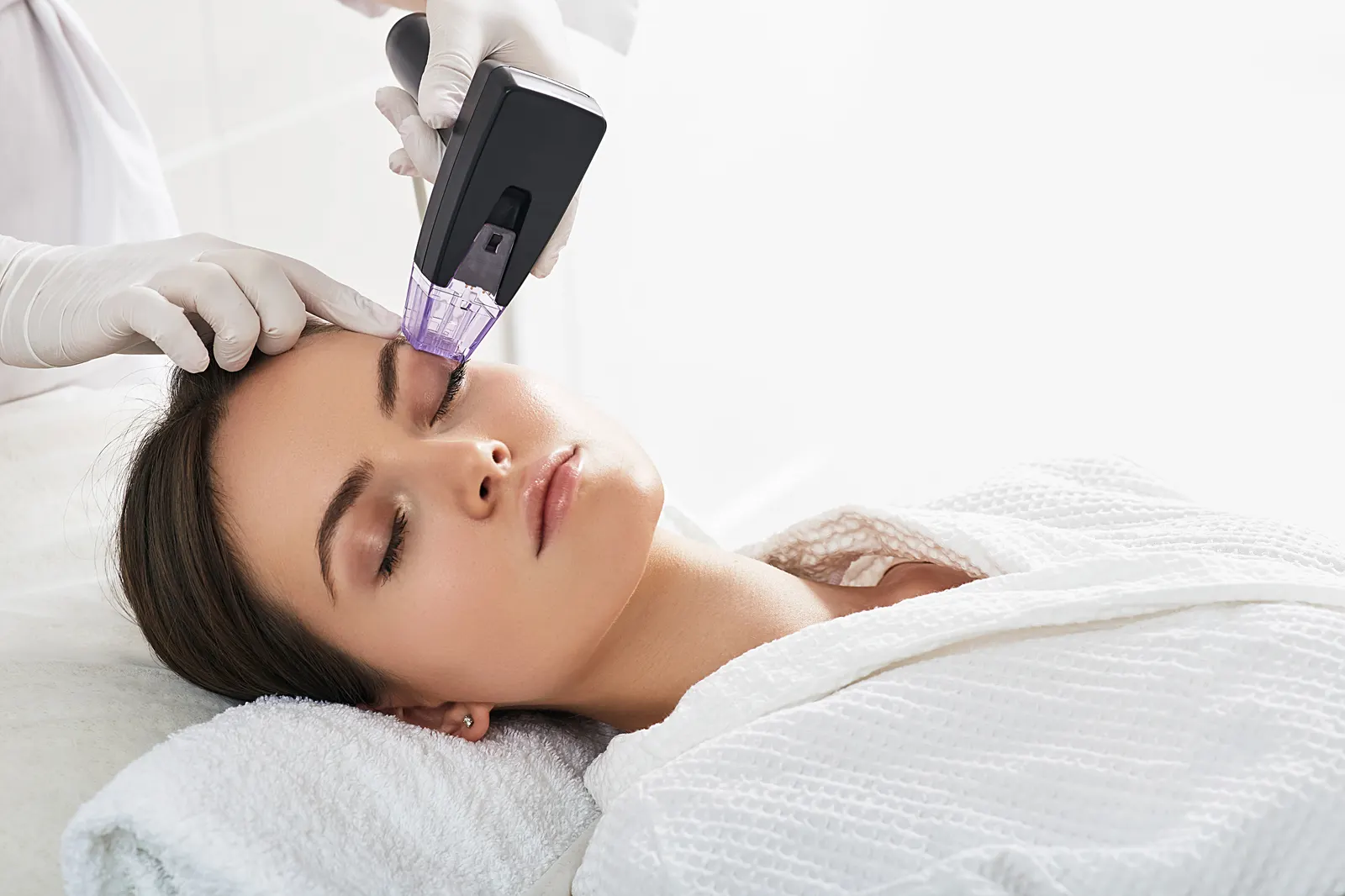
How RF Microneedling Works
Two things happen at once. Fine needles make controlled micro-injuries in the skin. Radiofrequency energy then heats the tissue around each needle tip.
Your body treats both as damage worth repairing. It lays down new collagen and elastin over the following weeks. That is what softens a scar or firms a slack jawline.
The heat is the part that matters most. Needling on its own does stimulate collagen. Adding radiofrequency drives the response deeper, into the layer where scars are anchored.
One honest note up front. RF microneedling is not a laser. Lasers work with light. This works with electrical current and the heat it creates. We keep that distinction clear, because it changes who the treatment suits and what it can reach.
What RF Microneedling Treats
Acne scars
Depressed, rolling, and boxcar scars, where the repair has to reach deep to matter.
Texture and pores
Rough, uneven skin and enlarged pores across the cheeks and nose.
Early laxity
Mild slackness along the jaw, the neck, and under the chin.
The American Academy of Dermatology puts a typical acne scar plan at 3 to 5 treatments, two to four weeks apart. It reports fading in the range of 50 to 70 percent. That is a real result and an honest ceiling. Scars soften. They do not disappear. We say so at your Niagara consult, before you commit to a series.
How It Differs From Laser, and From Needling Alone
A laser aims light at a target. Pigment, blood, or water absorbs that light. The targeting is why wavelength choice matters so much, and why some lasers carry more risk on deeper skin tones.
Radiofrequency does not work that way. It heats tissue based on electrical resistance, so it does not target a specific chromophore. Researchers connect that mechanism to fewer pigment problems in darker skin types.
That does not make it right for everyone. Your skin, your history of scarring, and your goal all get checked at the consult before anything is booked.
Radiofrequency without the needles
Some radiofrequency devices heat the skin from the surface, with no needles at all. That version is gentler. It aims at mild firming rather than at scars, and it has no recovery to speak of. If laxity is your only concern, compare it with laser skin tightening in Niagara at your consult.
Microneedling on its own
Plain microneedling uses needles without heat. It works, and the collagen response is genuine. The heat is simply what lets RF microneedling reach deeper and ask more of the skin. For surface tone and fine texture, gentler options like a Laser Genesis facial may be the better fit.
Sessions, Timing, and Results
- Sessions
- Usually 3 to 4, spaced four to six weeks apart.
- Treatment time
- About 45 to 60 minutes for the full face.
- Numbing
- Numbing cream sits on the skin first, for roughly 30 minutes.
- Sensation
- Pressure, then deep heat. Most people find it easy to tolerate.
- Downtime
- Redness and a sandpaper feel for two to four days.
- Results
- Collagen builds over three to six months.
Book with your calendar open. Your skin looks flushed and a little swollen the first evening. Most people in Niagara are presentable by day three. Leave two weeks before a wedding or a photo, not two days.
The Risks, Said Plainly
This is the part most clinic websites skip. We will not.
The FDA has issued a safety communication about RF microneedling, following reports of burns, scarring, fat loss, disfigurement, and nerve damage. Those reports are rare set against how many treatments are performed. They are also real, and you deserve to know before you book.
Depth and energy settings are what separate a good result from an injury. Those are judgment calls, made on your skin, in the room. Ask any clinic how it sets depth for your area and your skin type. A clinic that cannot answer is the wrong clinic.
Some people should wait or skip it entirely. Active skin infection, a history of keloid scarring, recent acne medication such as isotretinoin, and pregnancy all change the plan. So does an implanted electrical device such as a pacemaker, because radiofrequency and implanted electronics do not mix. Tell us about any of these first.
RF Microneedling Questions, Answered
Is RF microneedling the same thing as Morpheus8?
Morpheus8 is a brand of RF microneedling device, not a separate kind of treatment. Several manufacturers build similar tools. What decides your result is the depth, the energy, and the person choosing both. Our page on Morpheus8 explains how the brand names in this industry actually work.
Does RF microneedling hurt?
Numbing cream goes on first and sits for about 30 minutes. After that most people find it easy to tolerate. You feel pressure, then a wave of deep heat that fades quickly. Bony areas like the forehead and jawline are the sharpest. Tell us during the session and we adjust.
How long before I look normal again?
Expect real redness on day one, like a strong sunburn. It calms over two to four days, and your skin feels like fine sandpaper while it settles. Small grid marks can show for a day or two. Makeup is usually fine after 24 hours.
How many sessions will my acne scars need?
Most scar plans run 3 to 4 sessions, four to six weeks apart. Deep or long-standing scars sometimes need more. We photograph your skin before the first session in Niagara. Then we compare at every visit. Gradual change is hard to judge in a mirror.
Is it better than laser resurfacing?
Neither wins outright. Ablative lasers resurface the top of the skin and do more for fine lines and surface texture. RF microneedling reaches deeper with less surface injury, which suits scars and laxity. Compare both on our laser skin resurfacing hub, then decide at the consult.
Can it be used on the body?
Yes. The neck, chest, abdomen, and upper arms are all treated, and so are scars away from the face. Body skin heals more slowly than facial skin, so sessions are usually spaced a little further apart. Results build over the same three to six months.
What if I have a deeper skin tone?
Radiofrequency heats tissue by electrical resistance, not by targeting pigment. That is why it is often considered where light-based options carry more risk. It is a starting point, though, not a promise. We assess your skin, your scarring history, and your goals before recommending anything.
Not sure whether laxity or texture is your real concern? Start with our guides to loose and sagging skin and acne scars. To see how energy reaches the skin at all, read the technology behind our treatments. Or browse every option on the laser treatments hub.