Rough Skin Texture Treatment in Niagara
Rough, bumpy, or uneven skin texture comes from dead cell buildup, sun damage, old blemish marks, and slowing cell turnover. Our rough skin texture treatment in Niagara uses lasers to resurface and smooth the skin, from gentle no-downtime series to deeper single treatments. A consultation matches the level to your skin.
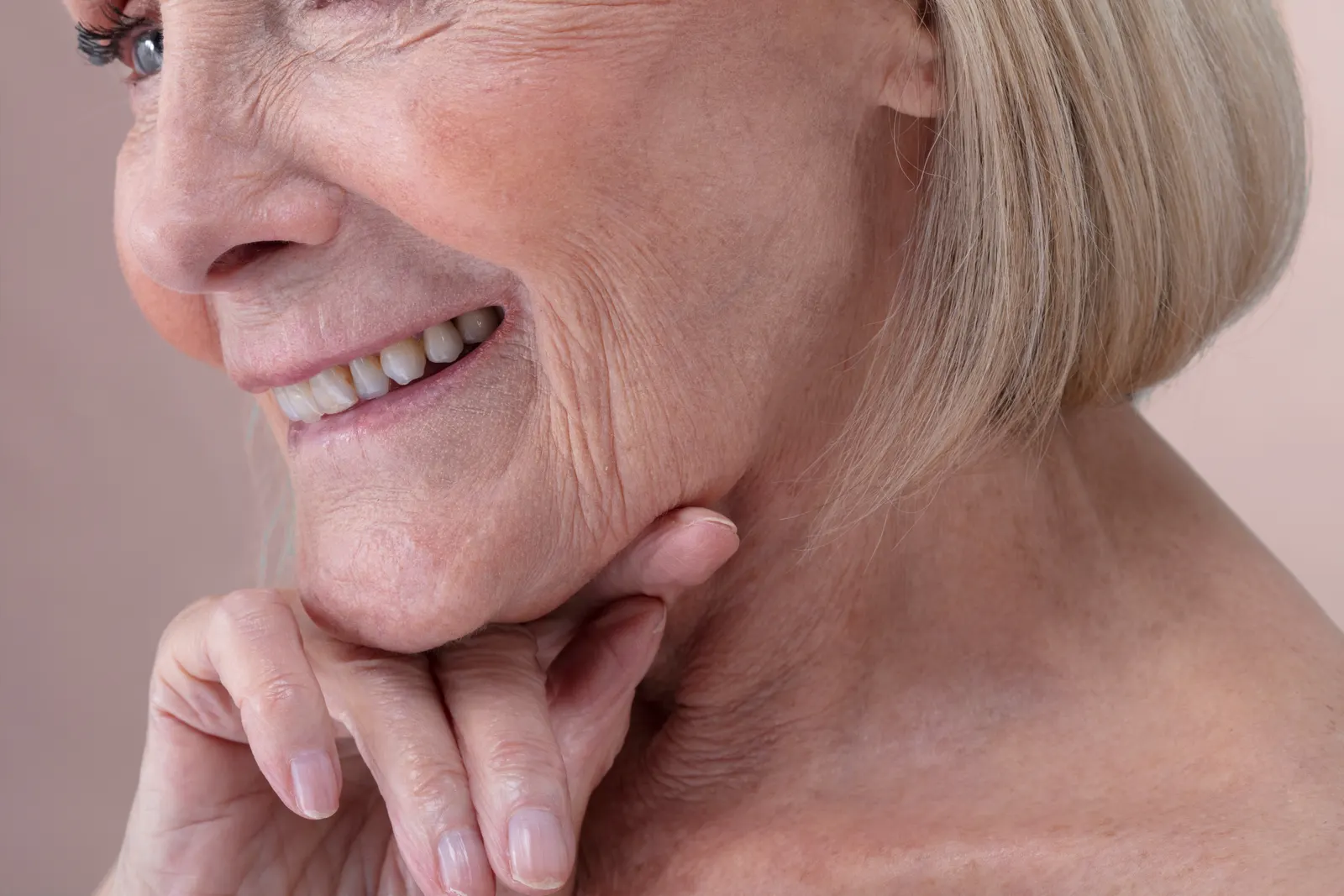
Why skin texture turns rough and uneven
Run your fingertips over your cheek. Smooth skin means the surface cells are lying flat and turning over on schedule. Rough or bumpy skin means something has disrupted that surface, and there are a few usual suspects.
Dead cell buildup is the most common. Cell turnover slows with age, so dull, dry cells pile up unevenly instead of shedding. Sun damage compounds it by thickening some patches and thinning others.
Old acne and blemishes leave their own marks: small pits, raised spots, and patches that catch the light differently. Add enlarged pores, dry weather, and years of small scars. Skin starts to look coarse even when it is healthy.
Texture is often what people actually mean when they say their skin looks tired. Fix the surface, and the whole face reads younger.
The gentle route: smoothing over a series
If your texture issues are mild, or downtime is a dealbreaker, a gradual series is the right entry point.
Laser Genesis warms the upper layers of skin evenly, boosting collagen and speeding cell turnover. Session by session, the surface smooths and pores refine. There is nothing to hide afterward, so it fits into a Niagara workday without anyone knowing.
The trade-off is pace. A gentle series takes four to six visits, and the change arrives gradually. It suits people who want steady improvement, keep up with sessions, and prefer subtle over sudden. It is also the conservative choice for sensitive or darker skin, where gentler settings lower pigment risk.
The deeper route: resurfacing in fewer treatments
For rougher texture, pitted marks, or sun-thickened skin, resurfacing does more per visit. Our laser skin resurfacing hub covers the full family, from fractional treatments to full ablative options.
The principle is simple. The laser removes or heats the damaged surface in a controlled way, and the skin rebuilds itself smoother. Deeper treatments trade recovery time for results. A fractional session means a few days of redness. Full ablative resurfacing takes one to two weeks of healing for the biggest single-treatment change.
The evidence at the deep end is strong. StatPearls documents major improvement in texture and wrinkles from ablative treatment in its review of ablative laser resurfacing. Skin tone matters here too, so wavelength and depth are chosen for your skin at your Niagara consultation.
Choosing your rough skin texture treatment level
Here is how we think it through with you at a consultation in Niagara:
- Mild roughness, dullness, or early texture change: start gentle, build over a series.
- Moderate texture, sun damage, or shallow marks: fractional resurfacing, a few sessions, short downtime.
- Established roughness, pitting, or deep sun damage: deeper resurfacing, fewer treatments, real recovery time.
Two things stay true at every level. Results build as collagen remodels over two to three months. And daily sunscreen afterward is what protects the investment, since sun is what roughened the surface in the first place. Rough skin texture treatment in Niagara is a ladder, and we help you step on at the right rung.
Skin texture questions, answered plainly
What actually causes bumpy, uneven skin texture?
Usually a mix of causes. Dead cells pile up as turnover slows, and sun damage thickens the surface unevenly. Old acne marks, enlarged pores, and plain dryness add to it. Genetics sets your baseline, and weather plays a part too. A consultation in Niagara identifies which causes dominate for you, because that decides the right laser approach.
Can laser fix texture in one treatment?
Deeper resurfacing can change a lot in a single treatment, at the cost of one to two weeks of healing. Gentle treatments spread the same journey across four to six easy sessions instead. Neither path is finished instantly, because collagen keeps remodeling for months. The difference is how you want to travel.
Which option is right for sensitive or darker skin?
Gentler, non-ablative approaches are the conservative first choice, since aggressive resurfacing carries more pigment risk on darker skin tones. The right wavelength and settings are chosen for your skin at your consult, not off a menu. Deeper treatments remain possible in some cases, but only as a careful, case-by-case decision.
How long until my skin feels smoother?
With gentle series treatments, most people feel a difference after two or three sessions. With resurfacing, skin feels smoother once healing finishes, then keeps improving for two to three months as collagen rebuilds. Judge your result a full season after starting, not the week after your first visit.
Will rough texture come back after treatment?
Skin keeps aging and the sun keeps shining, so texture slowly drifts without care. The fix is not endless treatment, just sensible upkeep: daily sunscreen, decent moisturizer, and an occasional maintenance session. People who protect their skin hold results for a long time. People who tan without protection undo them fastest.
Does texture treatment help with old acne scars too?
Shallow, soft irregularities from old blemishes often improve alongside general texture work. Deeper, defined acne scars are their own project and respond best to dedicated scar treatment. If scarring is your main concern, start with our acne scar page instead. We will build the plan around that.
When rough texture comes from scarring rather than from the surface alone, RF microneedling is worth comparing. It rebuilds collagen deeper down instead of resurfacing the top layer.
Texture concerns often overlap with others. Read about acne scars, large pores, and dull skin, or browse all conditions we treat.