Laser Pigmentation Removal in Niagara
Laser pigmentation removal in Niagara targets brown marks like sun spots and age spots with focused light. Pigment absorbs the energy, breaks up, and fades as your skin clears it. Discrete spots often need only a few sessions. Everything starts with a consultation to match the wavelength to your skin.
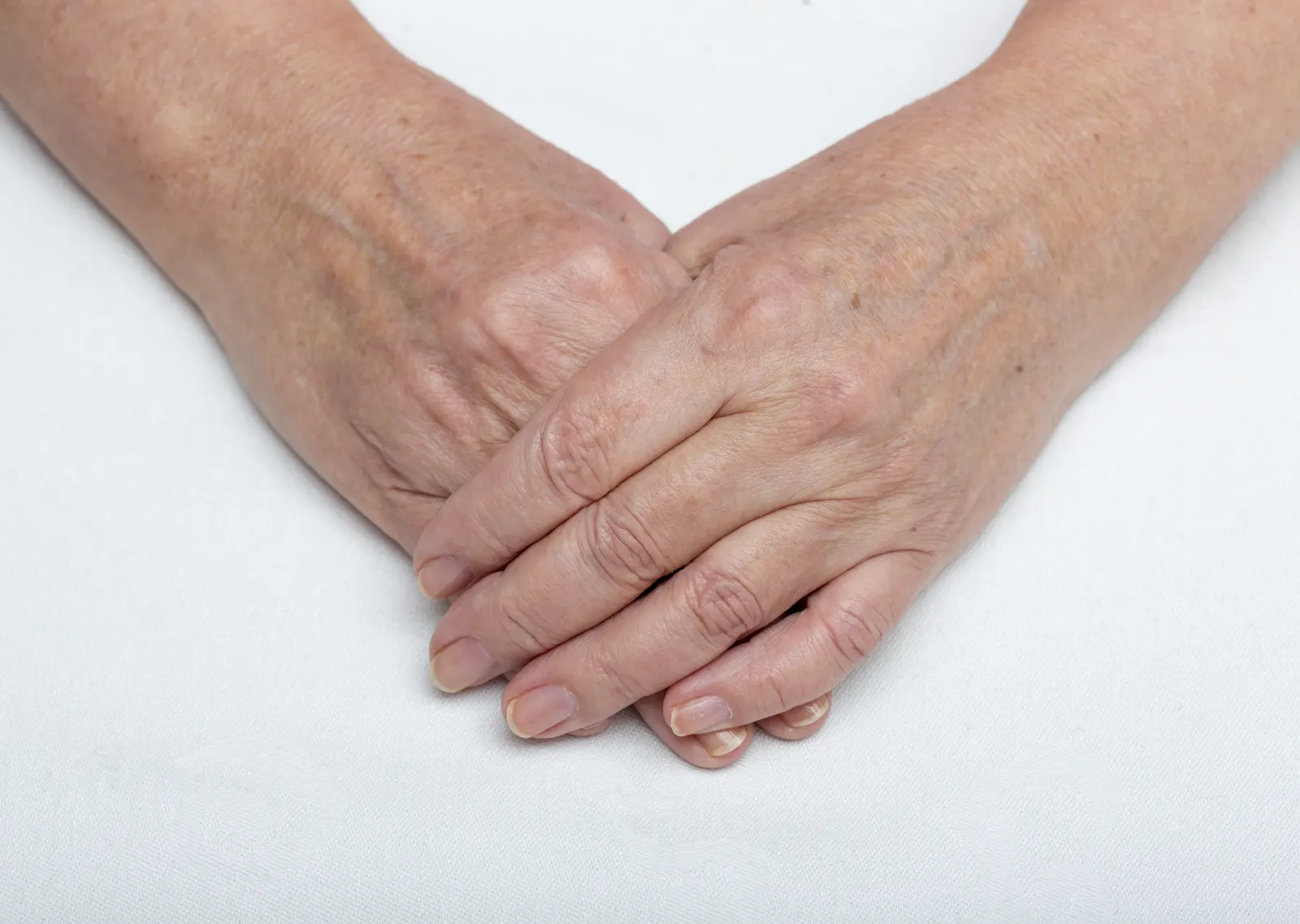
How Laser Pigmentation Removal Works
Brown spots are clumps of extra melanin, the pigment that colours skin. Pigment lasers send light that melanin absorbs far more than the skin around it. The energy breaks the pigment into tiny fragments. Your body then clears those fragments over the following weeks.
Different depths call for different wavelengths. A 532 nm setting treats shallow, surface spots. A 1064 nm setting reaches pigment sitting deeper in the skin. Picosecond pulses, which are extremely short, help shatter stubborn pigment that resists other settings.
A recent scoping review of lasers for benign pigmented lesions supports matching the wavelength to the lesion. That is exactly how we plan treatment at our Niagara clinic.
Spots We Target: Sun Spots and Age Spots
This treatment is for discrete marks you can point at. Sunny seasons in Niagara add these marks year after year. Think of it as spot-by-spot work, not a whole-face wash of light.
Sun spots
Flat brown marks from years of sun on the face, hands, shoulders, or chest.
Age spots
Larger, well-defined spots that slowly darken and multiply with time.
Stubborn pigment
Older or deeper marks that have resisted creams and lighter treatments before.
If your whole face looks blotchy, with redness mixed in, that is a different job. An IPL photofacial evens overall tone and treats redness and spots together. This page is about picking off individual marks with focused laser energy.
Melasma Is Different: Go Slow and Stay Honest
Melasma shows up as soft brown patches, often across the cheeks, forehead, or upper lip. It is not simple sun damage. Hormones drive it, which is why it often appears in pregnancy or with some medications.
Aggressive laser settings can make melasma worse, not better. When lasers are used at all, settings stay conservative and sessions stay spaced out. Even after good clearing, melasma can come back. Sun and heat are common triggers, so daily sunscreen is not optional.
This clinical summary of melasma explains why cautious, staged care matters. If patches, not spots, are your concern, start with our melasma guide before booking anything.
Pigmentation Removal Sessions and Honest Results
Here is the usual arc for a discrete spot. The spot darkens right after treatment. Over seven to fourteen days it flakes away like a small dry patch. The skin underneath looks fresher once it settles.
Many sun spots and age spots respond in one to three sessions. Deeper or older pigment can take more. Most laser pigmentation removal Niagara plans are shorter than people expect.
Two honest caveats. Treated areas can darken for a while as they heal, especially with sun exposure. And new spots can form later if sun habits stay the same. The right wavelength is chosen for your skin at your consult, which lowers the risk of colour changes.
Laser Pigmentation Removal Questions, Answered
How many sessions does a sun spot need?
A typical laser pigmentation removal Niagara plan for discrete spots runs one to three sessions. Shallow, well-defined spots often respond fastest. Deeper or older pigment may need extra visits, sometimes with picosecond pulses. We look at your spots in person, then give you a session estimate before you commit.
Does the treatment hurt?
Each pulse feels like a quick hot snap, similar to a flicked elastic band. Most people find it easy to tolerate, and single spots take only seconds each. The area can feel warm, like mild sunburn, for an hour or so afterward. Cooling right after the session helps a lot.
What does the spot look like while it heals?
Expect the spot to turn darker within minutes of treatment. It then forms a thin, dry crust that flakes off over one to two weeks. Do not pick at it, since picking can leave marks. Once the crust clears, the new skin looks lighter and blends over the following weeks.
Can you treat melasma the same way?
No, and be wary of anyone who says otherwise. Melasma is hormonal, and strong laser settings can flare it. It needs conservative energy, longer gaps, strict sun protection, and realistic goals. Even then it can return. Read our melasma guide first, then talk it through at your consult.
Will my spots come back?
A fully cleared spot is gone, because that pigment has been removed. But the sun that made it can make new neighbours. Fresh spots can appear over the years on sun-exposed skin. Daily sunscreen, hats, and shade slow that down. Some people book a short touch-up visit each spring.
Which wavelength will you use on me?
It depends on how deep the pigment sits and on your skin tone. Shallow spots usually get 532 nm. Deeper pigment calls for 1064 nm, and stubborn marks may need picosecond pulses. The right wavelength is chosen for your skin at your consult, after we examine each spot closely.
Related Treatments and Conditions
Spot removal is one branch of tone work we do in Niagara. Compare every option on our laser treatments overview. To understand where these marks start, read our guide to sun damage, age spots, and freckles. And if spots come with allover blotchiness, see how an IPL photofacial handles both at once.