Acne Scar Treatment in Niagara
Acne scar treatment in Niagara uses fractional lasers to smooth the dents and marks that old breakouts leave behind. Tiny columns of laser energy trigger fresh collagen, so scars soften over a series of sessions. It starts with a consultation, where we identify your scar types and recommend the right approach.
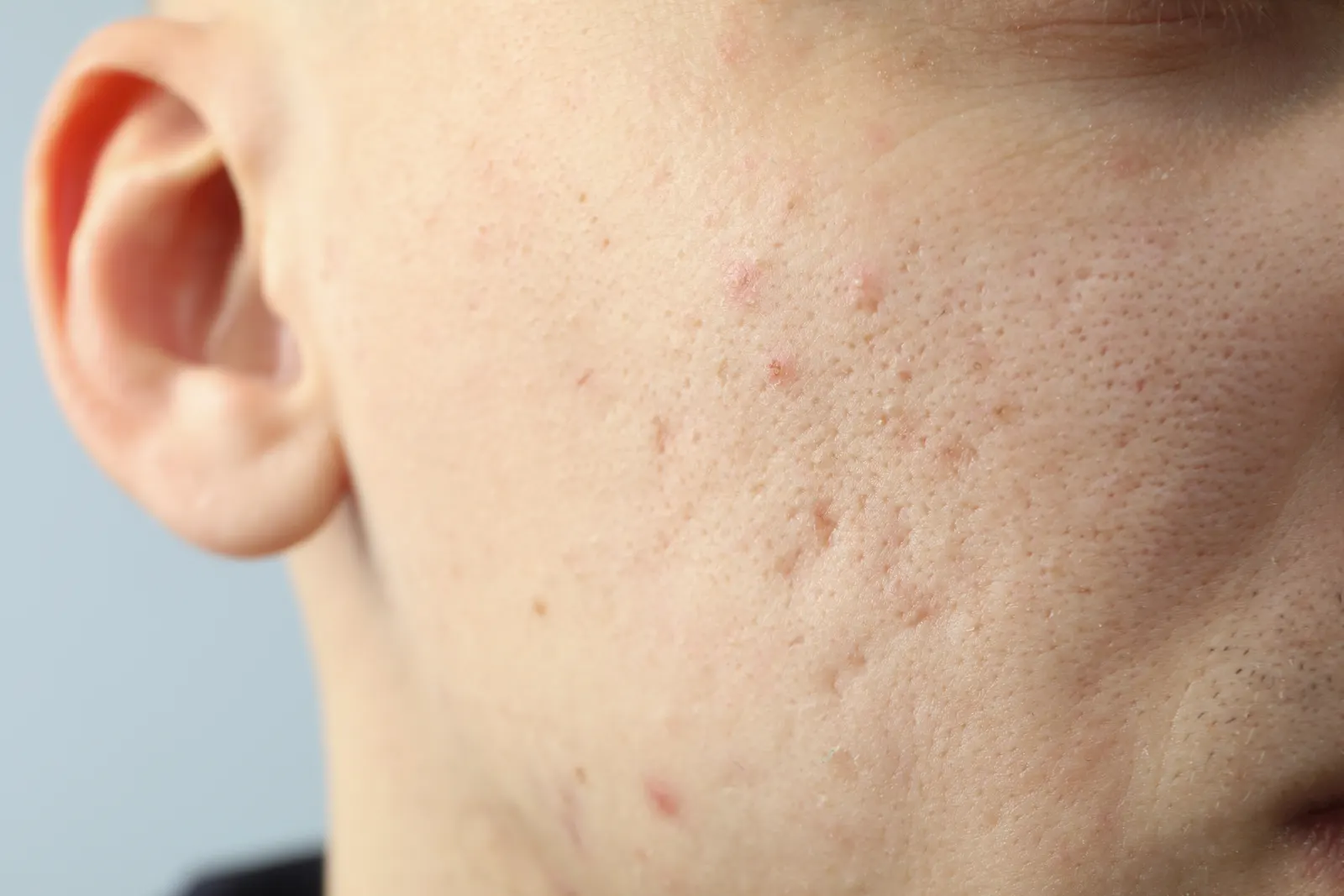
How Acne Scar Treatment Rebuilds Skin
Acne scars form when a deep breakout damages the collagen under the skin. The surface heals, but the support layer underneath stays uneven. That is why scars catch light and shadow, especially in photos and mirrors.
Fractional lasers treat a fraction of the skin at a time. The beam is split into thousands of tiny columns of energy. Each column triggers the skin's own repair response. New collagen builds beneath the scar and slowly lifts it. The untouched skin between the columns speeds up healing.
Because acne scar treatment works with your skin's repair system, change is gradual and natural looking. Nothing is filled or painted over. Your skin does the rebuilding.
Rolling, Boxcar, and Ice Pick Scars in Plain Words
Rolling scars
Soft, shallow dips with sloped edges. Skin looks wavy in side light. These respond best to fractional laser.
Boxcar scars
Wider dents with defined edges, like small craters. Shallow boxcars respond well. Deeper ones improve more slowly.
Ice pick scars
Narrow, deep pits, as if the skin was punctured. These respond least to laser alone and may need other techniques.
Most people have a mix of scar types, which is why we examine before we recommend. At your Niagara consultation we map which scars sit where. Then we match the plan to what your skin actually shows, not to a sales script.
Ablative or Non-Ablative: Two Ways to Treat Acne Scars
Ablative fractional lasers, such as fractional CO2, remove tiny columns of skin. They drive deeper remodelling in fewer sessions. The trade-off is real downtime, with several days of redness, swelling, and peeling. A clinical review of ablative laser resurfacing puts typical fractional CO2 recovery at four to ten days. Plan for time at home before a big event.
Non-ablative fractional lasers heat the deeper layer without breaking the surface. Downtime is minimal, often just a day or two of redness. You need more sessions, and change arrives more gradually. Many people in Niagara choose this route so they can keep working through treatment.
Deeper remodelling with downtime, or gentler sessions with almost none? We help you choose at your consult. You can read more about the fractional CO2 laser and the wider skin resurfacing family before you decide.
Honest Results: Improvement, Not Erasure
Ablative plans often need one to three sessions. Non-ablative plans usually run three to six, spaced about a month apart. Collagen rebuilds slowly, so the full result develops over several months. Photos at each visit let us track the change honestly.
Laser softens scars. It does not erase them. The American Academy of Dermatology says laser makes scars less noticeable but cannot remove them. Its guide to laser treatment for scars is worth reading before you book anywhere. Good acne scar treatment starts with expectations that match reality.
One more honest note. Active breakouts should be under control before scar work starts. Otherwise new scars form while we treat the old ones. Our laser acne treatment page covers that first step.
Acne Scar Questions We Hear in Niagara
Which acne scars respond best to laser?
Rolling scars and shallow boxcar scars respond best, because fractional energy can rebuild the collagen beneath them. Deep boxcar scars improve, but more slowly. Ice pick scars respond least to laser alone. If your scars are mostly deep and narrow, we will tell you honestly and discuss other routes at your consult.
How many sessions will I need?
It depends on your scar depth and the laser we choose. Ablative fractional plans often need one to three sessions. Non-ablative plans usually take three to six, spaced about a month apart. Deeper scarring sits at the higher end. We map out a likely range at your consultation before anything starts.
How much downtime should I plan for?
Ablative fractional treatment usually means four to ten days of redness, swelling, and peeling. Non-ablative sessions are much lighter, often just a day or two of pinkness. Many people in Niagara schedule ablative work before a quiet week. We help you time it around your calendar.
Will my acne scars be gone completely?
No, and we will not promise that. Laser treatment improves depth, texture, and shadowing, often noticeably. It does not return skin to exactly how it looked before acne. Most people are happy with smoother skin that photographs and feels better. Improvement, not erasure, is the honest goal.
Can acne scars be treated on darker skin?
Yes, with the right approach. Darker skin carries a higher risk of pigment change after aggressive ablative treatment. Non-ablative fractional treatment is usually the conservative first choice, and ablative work is a case-by-case decision. The right wavelength and settings are chosen for your skin at your consult.
Should I treat active acne or scars first?
Active acne first, almost always. Treating scars while new breakouts keep forming is like patching a roof in the rain. Once your skin is mostly clear, scar treatment holds its gains. We can plan both stages at one consultation so you know the full path.
When will I see results?
Some smoothing appears within weeks, but the real change comes later. New collagen keeps building for three to six months after treatment. That means your skin at month four often looks better than at month one. We take photos along the way so you can see the difference clearly.
Related Reading on Scars and Resurfacing
Not sure what type of scarring you have? Start with our guide to acne scars, their causes, and laser options.
Light is not the only way to reach a scar. RF microneedling delivers heat through fine needles rather than through a wavelength, which reaches deeper with less injury to the surface. For depressed rolling and boxcar scars it is frequently the better choice, and the two approaches are sometimes combined.
Curious how scar work fits into the bigger resurfacing picture? Visit the skin resurfacing hub, or browse all our laser treatments in Niagara.